Tidal Energy: Harnessing the Power of the Ocean

Tidal energy is one of the most promising renewable energy sources available today. As the world grapples with climate change and the need for sustainable energy solutions, harnessing the power of the ocean presents a unique opportunity. Tidal energy, derived from the gravitational pull of the moon and sun, offers a reliable and predictable source of energy. In this blog post, we will explore what tidal energy is, how it works, its benefits and challenges, and some of the most notable projects around the globe.
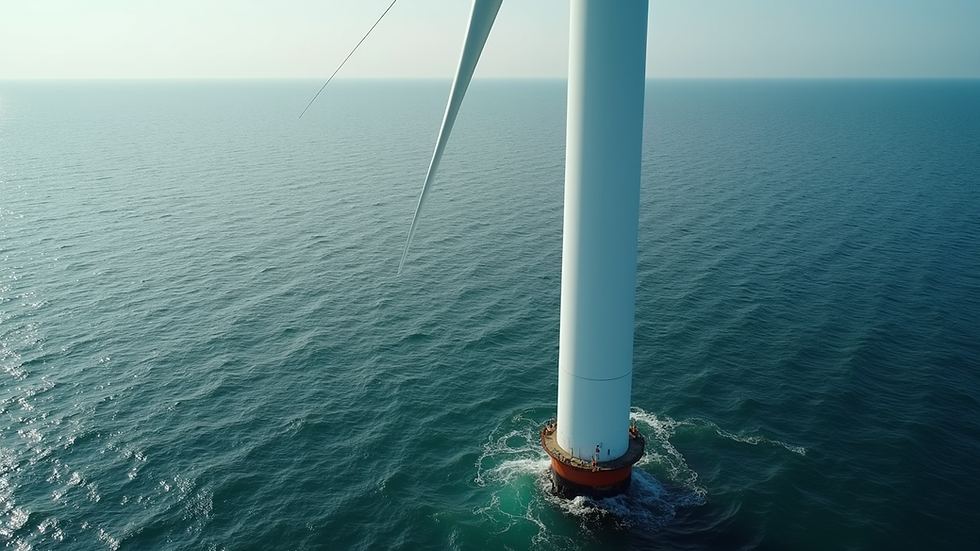
Understanding Tidal Energy
Tidal energy is generated by the movement of water caused by the gravitational forces exerted by the moon and the sun. This movement creates tides, which can be harnessed to produce electricity. There are two primary methods for capturing tidal energy: tidal stream systems and tidal range systems.
Tidal Stream Systems
Tidal stream systems use underwater turbines to capture the kinetic energy of moving water. As water flows over the turbines, they spin and generate electricity. This method is similar to wind turbines, but instead of air, it utilizes water currents. Tidal stream systems are typically installed in areas with strong tidal flows, such as narrow straits or coastal regions.
Tidal Range Systems
Tidal range systems, on the other hand, take advantage of the difference in water levels between high and low tides. These systems often involve building a dam or barrage across an estuary. As the tide rises, water is allowed to flow into a reservoir. When the tide recedes, the stored water is released through turbines, generating electricity. This method can produce a significant amount of energy, but it can also have a larger environmental impact due to the alteration of natural water flow.
Benefits of Tidal Energy
Tidal energy offers several advantages that make it an attractive option for renewable energy generation:
Predictability
Unlike solar and wind energy, tidal energy is highly predictable. Tides follow a regular cycle, allowing for accurate forecasting of energy production. This predictability makes tidal energy a reliable source of power, which can help stabilize energy grids.
Low Environmental Impact
Tidal energy has a relatively low environmental impact compared to fossil fuels. While there are some concerns about the effects of tidal energy projects on marine ecosystems, the overall carbon footprint is significantly lower. Additionally, tidal energy does not produce greenhouse gas emissions during operation.
Long Lifespan
Tidal energy systems are designed to last for decades. With proper maintenance, these systems can operate for 25 years or more, providing a long-term source of renewable energy.
Energy Storage
Tidal energy can be stored in the form of potential energy when water is held back during high tides. This stored energy can be released when needed, providing a valuable resource for energy management.
Challenges of Tidal Energy
Despite its many benefits, tidal energy also faces several challenges that must be addressed:
High Initial Costs
The construction of tidal energy systems can be expensive. The technology is still relatively new, and the initial investment for infrastructure can be significant. However, as technology advances and more projects are developed, costs are expected to decrease.
Environmental Concerns
While tidal energy has a lower environmental impact than fossil fuels, it can still affect marine ecosystems. The construction of tidal barrages can disrupt local habitats and alter sediment transport. Careful planning and environmental assessments are essential to minimize these impacts.
Limited Suitable Locations
Not all coastal areas are suitable for tidal energy generation. The effectiveness of tidal energy systems depends on the strength of tidal currents and the range of tides. This limits the number of locations where tidal energy can be harnessed effectively.
Notable Tidal Energy Projects
Several countries have made significant strides in developing tidal energy projects. Here are a few notable examples:
The La Rance Tidal Power Station, France
Located in Brittany, France, the La Rance Tidal Power Station is one of the oldest and largest tidal power plants in the world. It has been in operation since 1966 and utilizes a tidal barrage to generate electricity. The plant has a capacity of 240 megawatts and produces around 600 gigawatt-hours of electricity annually, enough to power approximately 300,000 homes.
The MeyGen Project, Scotland
The MeyGen Project, located in the Pentland Firth, is one of the largest tidal stream energy projects in the world. The first phase of the project consists of four underwater turbines, with plans for expansion to a total of 269 turbines. Once fully operational, the project is expected to generate enough electricity to power 175,000 homes.
The Sihwa Lake Tidal Power Station, South Korea
The Sihwa Lake Tidal Power Station is the world's largest tidal power installation, with a capacity of 254 megawatts. It uses a tidal barrage to harness the energy of the tides in Sihwa Lake. The project has not only generated renewable energy but has also helped improve water quality in the lake.
The Future of Tidal Energy
As the world continues to seek sustainable energy solutions, tidal energy has the potential to play a significant role in the transition to renewable energy. Advances in technology and increased investment in research and development will likely lead to more efficient and cost-effective tidal energy systems.
Innovations in Tidal Energy Technology
Innovations in turbine design and energy storage solutions are paving the way for the future of tidal energy. For example, vertical-axis turbines are being developed to capture energy from a wider range of tidal currents. Additionally, advancements in battery technology may allow for better energy storage, making tidal energy even more reliable.
Policy and Investment
Government policies and incentives will play a crucial role in the growth of tidal energy. Support for research, development, and deployment of tidal energy projects can help reduce costs and encourage investment. Countries that prioritize renewable energy will likely see significant advancements in tidal energy technology.
Conclusion
Tidal energy represents a powerful and sustainable solution to the world's energy needs. With its predictability, low environmental impact, and long lifespan, it offers a compelling alternative to fossil fuels. While challenges remain, ongoing innovations and investments in tidal energy technology promise a bright future for this renewable resource. As we continue to explore the potential of the ocean, tidal energy could become a cornerstone of our global energy strategy.
By embracing tidal energy, we can harness the power of the ocean to create a cleaner, more sustainable future for generations to come.


Comments